 vadym Orlove
If you’ve ever walked into a room and noticed your cat calmly watching you, you may have wondered:
Do cats actually recognize their owners’ faces?
Or are they just reacting to a familiar voice, smell, or routine?
It’s a question cat lovers around the world ask — especially when their cat ignores them one moment and follows them everywhere the next. Dogs seem to recognize humans instantly, but cats? They’re more mysterious.
Some people believe cats don’t care who we are.
Others are convinced their cat knows them better than anyone else.
So what’s the truth?
Do cats recognize their owners by face — or is something else going on?
The answer is fascinating, complex, and deeply connected to how cats experience the world. In this in-depth guide, we’ll explore feline vision, memory, emotions, and behavior to uncover how cats truly recognize the humans they love.
By the end, you may realize your cat understands you far more than you ever imagined.
1. How Cats See the Human World
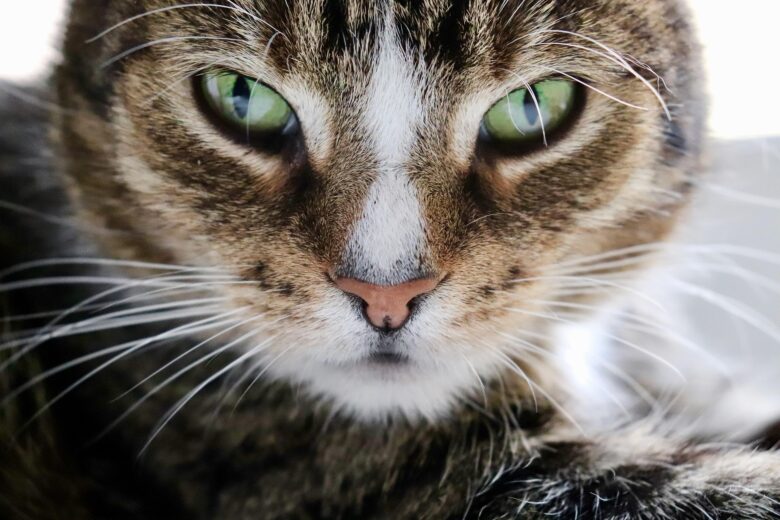
To understand whether cats recognize human faces, we must first understand how cats see.
Cats do not see the world the way humans do. Their vision evolved for hunting, not social interaction.
Cats Are Motion Detectors, Not Detail Experts
Human vision excels at:
-
Fine details
-
Facial features
-
Color variety
-
Reading expressions
Cat vision, on the other hand, excels at:
-
Detecting movement
-
Seeing in low light
-
Tracking fast-moving objects
-
Noticing contrast
This means cats are not naturally wired to analyze facial details like humans are.
Faces are important to humans because we’re social primates. Facial recognition helps us identify individuals, read emotions, and communicate.
Cats evolved differently. They relied on:
-
Scent
-
Sound
-
Movement
-
Body language
So right away, we see that facial recognition is not a cat’s primary method of identifying individuals.
But that doesn’t mean they can’t do it.
2. Can Cats Recognize Human Faces at All?
The short answer is:
Yes — cats can recognize human faces, but they don’t rely on faces alone.
Studies and behavioral observations suggest that cats are capable of distinguishing between familiar and unfamiliar human faces, especially when combined with other cues.
However, facial recognition for cats works differently than it does for us.
Cats don’t focus on:
-
Exact eye shape
-
Nose structure
-
Facial symmetry
Instead, they process faces more holistically, as part of a bigger sensory picture.
Your face is just one piece of the puzzle.
3. Why Smell Is More Important Than Sight for Cats
If faces aren’t the primary way cats recognize people, what is?
Scent.
Cats have an extraordinary sense of smell. It plays a central role in how they identify individuals, both feline and human.
Your Scent Is Your Cat’s Signature
Cats recognize their owners primarily by:
-
Body scent
-
Clothing scent
-
Skin oils
-
Familiar smells in their environment
When you come home, your cat already knows who you are before they see your face.
Your scent is:
-
On your clothes
-
On furniture
-
On bedding
-
In shared spaces
This is why cats often rub against you — they’re mixing their scent with yours, reinforcing familiarity and bonding.
In a cat’s world, scent equals identity.
4. Voice Recognition: Another Key Factor
Cats also recognize their owners by sound.
Multiple studies have shown that cats:
-
Recognize their owner’s voice
-
React differently to familiar voices
-
Can distinguish between voices, even without visual cues
Your cat may ignore you when you call them — but that doesn’t mean they don’t recognize you.
Cats often choose not to respond, which is very different from not recognizing.
Voice, tone, rhythm, and pitch all matter.
When combined with scent and routine, your voice becomes another powerful identifier.
5. So Where Does Facial Recognition Fit In?
Now we arrive at the heart of the question.
Do cats recognize their owners’ faces specifically?
The evidence suggests:
-
Cats can learn to associate a face with a familiar person
-
They recognize faces better when combined with scent and voice
-
Facial recognition alone is weaker than in humans or dogs
In simple terms:
Cats recognize you as a whole, not just your face.
Your face is part of a larger sensory profile that includes:
-
How you move
-
How you smell
-
How you sound
-
How you interact with them
6. Why Cats Sometimes Seem to Ignore Your Face
Many people assume cats don’t recognize faces because of how they behave.
Examples:
-
Your cat stares past you
-
Doesn’t make eye contact
-
Walks away when you approach
-
Treats guests similarly to you at first glance
But this behavior has more to do with cat social norms than recognition.
Direct Eye Contact Means Something Different to Cats
In the feline world:
-
Prolonged staring can be a threat
-
Soft blinking signals trust
-
Avoiding eye contact can mean comfort
So when your cat doesn’t stare lovingly into your eyes, it’s not because they don’t recognize you.
It may be because they feel safe.
7. How Cats Learn to Recognize Their Owners
Recognition doesn’t happen instantly.
Cats learn who you are through repetition and association.
They connect you with:
-
Feeding times
-
Play sessions
-
Comfort
-
Safety
-
Routine
Over time, your face becomes part of that association.
Your cat doesn’t wake up one day thinking, “That’s my owner’s face.”
Instead, they think:
-
“This is the human who smells right”
-
“This is the human who feeds me”
-
“This is the human I trust”
Your face is simply one cue among many.
8. Do Cats Recognize Faces in Photos or Mirrors?
This question comes up often — and the answer surprises many people.
Photos
Most cats do not recognize human faces in photographs.
Why?
-
Photos are flat
-
No movement
-
No scent
-
No sound
Cats rely heavily on dynamic and sensory input. A still image doesn’t provide enough information.
Mirrors
Cats may react to mirrors differently:
-
Some ignore them
-
Some investigate
-
Some react defensively
However, most cats do not recognize themselves or others in mirrors the way humans do.
They rely more on scent than reflection.
9. Do Cats Recognize Owners After Long Absences?
Many cat owners worry about this.
If you leave for weeks or months, will your cat forget you?
The good news:
Cats have strong long-term memory when it comes to familiar humans.
If a cat has bonded with you, they are very likely to:
-
Remember your scent
-
Recognize your voice
-
React differently to you than to strangers
They may act distant at first — not because they forgot you, but because cats often need time to readjust.
Once familiar cues return, recognition usually follows quickly.
10. Kittens vs Adult Cats: Does Age Matter?
Yes, age plays a role in recognition.
Kittens
-
Learn faces, voices, and scents during early development
-
Are more adaptable
-
Form strong associations quickly
Adult Cats
-
Can still recognize and bond
-
May take longer to adjust
-
Rely heavily on established routines
Cats that grow up with you from kittenhood tend to show stronger recognition behaviors.
But adult cats adopted later in life can still learn to recognize and bond deeply.
11. How Cats Show They Recognize You
Cats don’t express recognition the way dogs do.
Instead of excitement and jumping, cats show recognition subtly.
Common signs include:
-
Slow blinking
-
Rubbing against you
-
Following you from room to room
-
Sleeping near you
-
Vocalizing differently with you
-
Showing relaxed body language
These behaviors indicate familiarity, comfort, and trust.
Recognition doesn’t always look dramatic — often, it looks calm.
12. Why Cats Recognize Owners Differently Than Dogs
Dogs evolved alongside humans as cooperative companions.
Cats evolved as independent hunters.
This difference explains a lot.
Dogs:
-
Are highly attuned to human faces
-
Read expressions well
-
Seek eye contact
Cats:
-
Prioritize independence
-
Focus on environment
-
Rely on multiple sensory cues
This doesn’t mean cats care less — they just show it differently.
13. The Emotional Side of Recognition
Do cats feel emotionally connected to their owners?
Research suggests that cats form secure attachments to their humans.
They may:
-
Seek comfort from you
-
Feel safer when you’re present
-
Experience stress when routines change
Recognition isn’t just about identifying a face — it’s about emotional association.
Your presence represents safety and familiarity.
14. Can Cats Confuse Owners With Other People?
Sometimes, yes — especially at first glance.
If someone:
-
Has a similar build
-
Moves similarly
-
Wears similar clothes
A cat may briefly hesitate.
But once scent, voice, or behavior comes into play, confusion usually disappears.
This reinforces the idea that facial recognition alone isn’t the main identifier.
15. How Lighting and Distance Affect Recognition
Cats struggle more with:
-
Poor lighting
-
Stationary figures
-
Long distances
They see best in low light, but detail drops with distance.
If your cat doesn’t react until you’re closer, it doesn’t mean they don’t recognize you — they may simply need additional cues.
16. Do Cats Recognize Facial Expressions?
Cats are not great at reading human facial expressions alone.
They rely more on:
-
Tone of voice
-
Body posture
-
Movement
A smile means nothing to a cat unless it’s paired with familiar behavior.
However, cats do respond to emotional tone and routine.
17. Strengthening Facial Recognition With Your Cat
If you want your cat to better associate your face with you, consistency matters.
Helpful habits include:
-
Talking gently while facing your cat
-
Maintaining consistent routines
-
Using calm expressions
-
Avoiding sudden movements
-
Offering positive interactions
Over time, your face becomes part of a trusted pattern.
18. The Myth That Cats Don’t Care About Humans
This myth persists because cats express attachment differently.
But recognition and care are not measured by obedience.
Cats:
-
Choose when to interact
-
Value autonomy
-
Bond quietly
Recognition doesn’t always look like affection — sometimes it looks like trust.
19. What Science Tells Us — and What It Doesn’t
Science confirms:
-
Cats recognize familiar humans
-
They differentiate between owners and strangers
-
They use scent, sound, and visual cues
Science does not claim:
-
Cats rely mainly on faces
-
Cats recognize humans the same way dogs do
The truth lies in the middle.
20. Final Answer: Do Cats Recognize Their Owners’ Faces?

Yes — but not in isolation.
Cats recognize their owners as complete sensory experiences:
-
Face
-
Voice
-
Scent
-
Behavior
-
Routine
Your face matters — but it’s part of a bigger picture.
To your cat, you’re not just a face.
You’re a familiar presence.
A known scent.
A predictable rhythm.
A source of comfort.
And that recognition runs deeper than eyesight alone.