 vadym Orlove
If you share your home with a cat, you’ve almost certainly seen this scene:
Your cat jumps onto the bed, circles a few times, and then begins rhythmically pressing their paws into a blanket, pillow, or even your lap. One paw, then the other. Push. Pull. Push. Pull.
Sometimes they purr loudly.
Sometimes their eyes half-close.
Sometimes tiny claws peek out.
And then — after several minutes of this strange but charming ritual — they curl up and fall asleep.
Most cat owners smile and think, “That’s cute.”
But sooner or later, the question appears:
Why do cats knead blankets before sleeping?
Is it instinct?
Is it comfort?
Is it affection?
Is it a leftover behavior from kittenhood?
The answer is yes — to all of the above.
Kneading is one of the most fascinating, emotional, and deeply rooted behaviors cats display. It connects domestic cats to their wild ancestors, their earliest days as kittens, and their bond with you.
In this in-depth article, we’ll explore every reason cats knead blankets, where the behavior comes from, what it means emotionally, when it’s normal, and when you should pay closer attention.
By the end, you’ll never look at “making biscuits” the same way again.
1. What Is Kneading, Exactly?
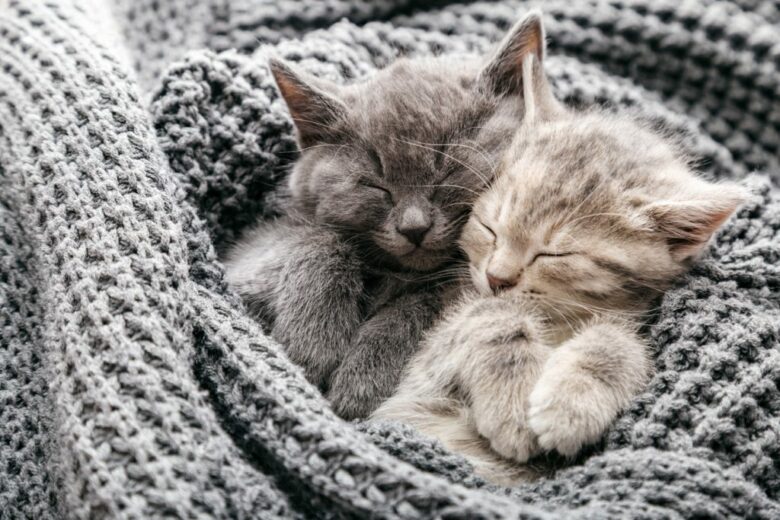
Kneading is a repetitive motion where cats alternately push their front paws into a soft surface. It often looks like they’re:
-
Massaging
-
Stepping in place
-
Pressing dough (hence the nickname “making biscuits”)
Cats usually knead:
-
Blankets
-
Pillows
-
Soft clothing
-
Beds
-
Their owners’ laps
This behavior is most commonly seen right before sleeping, but it can also happen during moments of deep relaxation or affection.
2. Kneading Begins in Kittenhood
The roots of kneading go all the way back to a cat’s earliest days of life.
The Nursing Connection
When kittens nurse, they instinctively knead their mother’s belly. This action:
-
Stimulates milk flow
-
Provides comfort
-
Creates a sense of security
At this stage, kneading is directly linked to:
-
Warmth
-
Food
-
Safety
-
Maternal bonding
These associations become deeply embedded in a cat’s brain.
Even after kittens grow up and no longer nurse, the emotional memory of kneading remains. The behavior becomes a self-soothing mechanism tied to comfort and relaxation.
So when adult cats knead blankets, they’re often recreating that same sense of safety they felt as kittens.
3. Why Blankets Are a Favorite Target
Cats don’t knead just any surface. They prefer soft, warm, and pliable materials — which makes blankets ideal.
Blankets:
-
Mimic the softness of fur
-
Retain warmth
-
Feel secure and nest-like
-
Provide gentle resistance for paw movement
From a cat’s perspective, a blanket feels similar to:
-
A mother’s belly
-
A warm sleeping nest
-
A safe resting place
That’s why kneading often happens right before sleep — it’s part of preparing the perfect comfort zone.
4. An Ancient Instinct From Wild Cats
Kneading isn’t just a kitten habit — it’s also an ancient survival instinct.
Preparing a Sleeping Spot
Wild cats knead grass, leaves, or soft ground to:
-
Flatten the surface
-
Remove debris
-
Check for hidden dangers
-
Create a comfortable resting area
Domestic cats no longer need to worry about snakes or sharp rocks, but the instinct remains.
When your cat kneads a blanket, they may be:
-
“Preparing” their bed
-
Making the surface just right
-
Ensuring comfort and safety
It’s the feline version of fluffing a pillow before sleep.
5. Kneading Releases Feel-Good Chemicals
Kneading isn’t just physical — it’s emotional.
This repetitive motion helps cats relax and can trigger the release of:
-
Endorphins
-
Oxytocin (the bonding hormone)
That’s why kneading is often accompanied by:
-
Purring
-
Droopy eyelids
-
Relaxed posture
-
Slow breathing
In short, kneading makes cats feel happy and calm.
For many cats, it’s part of their wind-down routine before sleep.
6. Why Cats Knead Right Before Sleeping
The timing of kneading is no coincidence.
Cats knead before sleeping because:
-
It helps them relax
-
It signals that they feel safe
-
It prepares their body for rest
-
It recreates comforting childhood sensations
Think of it as a bedtime ritual.
Just as humans might:
-
Adjust pillows
-
Stretch
-
Take deep breaths
Cats knead.
It’s their way of saying, “Everything is okay. I can rest now.”
7. The Role of Scent Marking
Another fascinating reason cats knead blankets involves scent.
Cats have scent glands in their paws. When they knead, they:
-
Release pheromones
-
Mark the area as familiar
-
Claim the spot as “theirs”
This scent marking:
-
Increases their sense of security
-
Makes the sleeping area feel safer
-
Reinforces emotional comfort
That’s why cats often knead the same blanket or spot repeatedly.
To your cat, that blanket doesn’t just feel good — it smells like home.
8. Kneading as a Sign of Affection
When cats knead you, the meaning becomes even more special.
If your cat kneads your lap, chest, or legs, it usually means:
-
They trust you deeply
-
They feel safe with you
-
They associate you with comfort
-
They see you as part of their safe space
This behavior is a powerful sign of bonding.
In a cat’s emotional world, kneading is something reserved for moments of vulnerability and relaxation. Doing it on you means you’re part of that inner circle.
9. Why Some Cats Drool While Kneading
Some cats drool while kneading — especially when they’re very relaxed.
This happens because:
-
Kneading triggers kittenhood memories
-
Nursing reflexes partially activate
-
The cat is extremely calm
While it might look strange, it’s usually harmless and simply means your cat is deeply content.
10. Why Claws Come Out During Kneading
Many cat owners ask:
“Why does my cat knead with claws?”
Claws are a natural part of kneading. In the wild, claws:
-
Help grip surfaces
-
Aid in nest preparation
-
Provide sensory feedback
Domestic cats don’t always retract their claws fully during kneading, especially when:
-
They’re deeply relaxed
-
The surface is very soft
-
They’re emotionally immersed in the behavior
This isn’t aggression — it’s instinct.
11. Does Kneading Mean My Cat Is Happy?
In most cases, yes.
Kneading is strongly associated with:
-
Comfort
-
Relaxation
-
Contentment
-
Emotional security
If your cat kneads regularly and shows no signs of stress, it’s a positive behavior.
However, context always matters.
12. When Kneading Can Mean Something Else
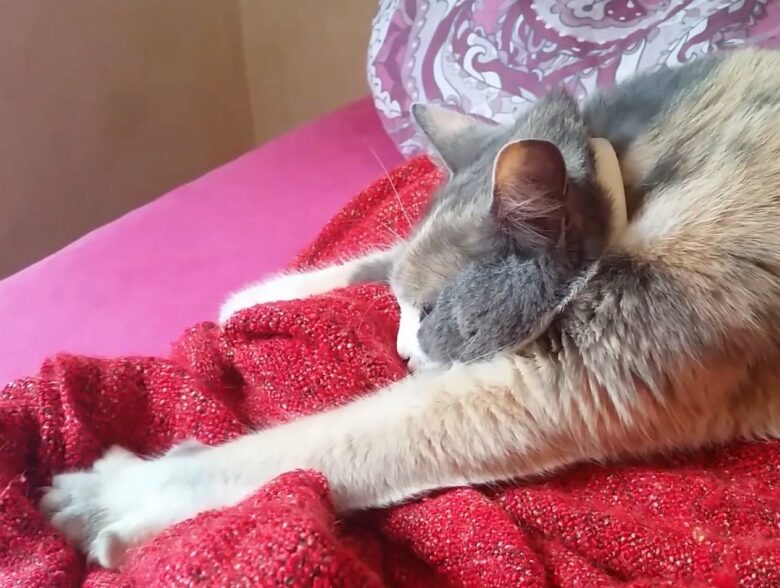
While kneading is usually a sign of happiness, there are rare cases where it may also appear during:
-
Anxiety
-
Stress relief
-
Adjustment to new environments
In these situations, kneading acts as a self-soothing behavior.
If kneading is paired with:
-
Hiding
-
Excessive vocalization
-
Changes in appetite
-
Aggressive behavior
…it may be a coping mechanism rather than pure relaxation.
That said, blanket kneading before sleep is almost always normal.
13. Why Some Cats Knead More Than Others
Not all cats knead the same amount.
Factors that influence kneading frequency include:
-
Personality
-
Early weaning history
-
Environment
-
Stress levels
-
Individual temperament
Cats that were weaned early may knead more often because:
-
The behavior wasn’t naturally phased out
-
The comfort association remained strong
But even cats weaned normally may knead frequently if they’re affectionate and relaxed.
14. Male vs Female Cats: Is There a Difference?
Both male and female cats knead.
However:
-
Some female cats knead more around nesting periods
-
Some male cats knead more frequently as a comfort behavior
There’s no strict rule — kneading is individual, not gender-specific.
15. Indoor Cats and Kneading
Indoor cats often knead more than outdoor cats.
Why?
Because:
-
Their environment is softer
-
Blankets and beds are plentiful
-
They have fewer survival concerns
-
Comfort behaviors are more common
In safe environments, cats feel free to express instinctual comfort rituals.
16. Why Cats Knead the Same Blanket Every Time
Cats love routine.
If your cat kneads the same blanket before sleeping, it’s likely because:
-
The texture feels right
-
The scent is familiar
-
It’s associated with relaxation
-
It feels safe
That blanket becomes a comfort anchor.
17. Should You Stop Your Cat From Kneading?
In most cases, no.
Kneading is:
-
Natural
-
Healthy
-
Emotionally beneficial
If claws are uncomfortable, you can:
-
Place a thicker blanket on your lap
-
Gently redirect to a pillow
-
Keep nails trimmed
Never punish or scold a cat for kneading. It can damage trust and create stress.
18. Why Kneading Often Comes With Purring
Kneading and purring often go hand in hand because:
-
Both are linked to comfort
-
Both release calming chemicals
-
Both signal emotional safety
This combination is one of the clearest signs that a cat feels completely at ease.
19. Does Kneading Mean a Cat Is Bonded to You?
Kneading alone doesn’t define bonding — but it’s a strong indicator.
When combined with:
-
Sleeping near you
-
Following you
-
Gentle head bumps
-
Slow blinking
…it strongly suggests a close emotional connection.
20. The Emotional Meaning Behind Kneading Before Sleep
At its core, kneading before sleep means:
-
“I feel safe here.”
-
“This place is comfortable.”
-
“I trust my environment.”
-
“I can relax.”
It’s one of the purest expressions of feline contentment.
21. Why Humans Find Kneading So Endearing
Humans love kneading because:
-
It looks gentle and rhythmic
-
It’s associated with affection
-
It feels intimate
-
It shows trust
Kneading is one of the rare moments where cats openly display vulnerability.
22. Cultural Nicknames for Kneading
Around the world, kneading has earned adorable names:
-
Making biscuits
-
Dough kneading
-
Muffin pressing
-
Bread baking
These names exist because the behavior is universally recognized and loved.
23. What Kneading Tells Us About Cats
Kneading reveals that cats:
-
Remember their early life deeply
-
Carry instincts into adulthood
-
Seek comfort intentionally
-
Value emotional safety
It’s a reminder that beneath their independence, cats are deeply emotional animals.
24. Common Myths About Kneading
❌ Kneading means dominance
❌ Kneading is sexual behavior
❌ Kneading means a cat is anxious
❌ Kneading is something cats should grow out of
✅ Kneading is normal
✅ Kneading is comforting
✅ Kneading is instinctual
25. Final Thoughts: Why Do Cats Knead Blankets Before Sleeping?
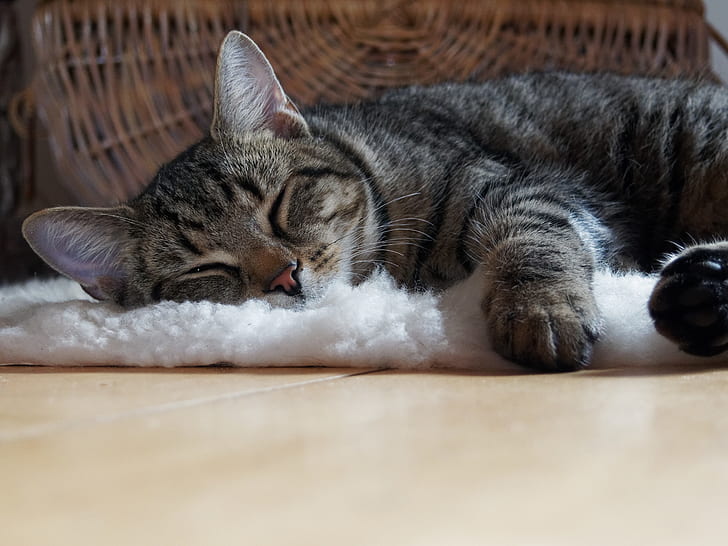
Cats knead blankets before sleeping because:
-
It’s an instinct from kittenhood
-
It helps them relax
-
It prepares a comfortable resting spot
-
It releases calming hormones
-
It makes them feel safe and secure
To your cat, kneading is not strange.
It’s a moment of peace.
So the next time your cat starts making biscuits before bed, smile — you’re witnessing a deeply meaningful and ancient ritual that says:
“I’m home.” 🐾